Showing posts with label Health & Medicine. Show all posts

Monday, February 16, 2026

Sickle Cell Disease in Children: Symptoms, Risks, and What Black Families Should Know

Sickle cell disease (SCD) disproportionately impacts Black families in the U.S!
By  Norris R. McDonald, Respiratory Therapist, Health Vybz News Desk @healthvybz


Black families, knowledge is protection. 💛

Most children with sickle cell trait live healthy lives — but dehydration, extreme heat, and intense exercise can turn serious fast. Know the warning signs. Act early. Protect our babies.  Sickle cell disease (SCD) disproportionately impacts Black families in the U.S., with  one out of every 365 black infants born with that condition. 

Sickle Cell Disease (SCD) is an inherited blood disorder that causes red blood cells to become misshapen, leading to blockages in blood vessels and a range of health complications. This condition predominantly affects individuals of African descent, but it can also be found in populations from the Mediterranean, the Middle East, and parts of Asia.

The most common form of SCD is Hemoglobin SS (Hb SS), which can result in severe pain crises, organ damage, and, in some cases, death if not properly managed. Understanding the signs and symptoms of SCD is essential for early intervention.

The Economic Strain of Sickle Cell Disease on Black Families

The economic impact of Sickle Cell Disease on affected individuals and their families is significant. From lost productivity to high medical costs, SCD places a heavy financial burden on families, particularly in the Black community.


  • Lifetime Earnings Gap: People with SCD earn up to 46% less than their peers, resulting in a lifetime earning deficit of 59-66%.
  • Workforce Productivity Loss: Individuals with SCD often miss work or have reduced productivity, costing approximately $15,000 annually.
  • Out-of-Pocket Medical Expenses: Even with insurance, families can face substantial out-of-pocket expenses, with lifetime costs ranging from $42,395 to $45,091.

Social and Emotional Impact on Families Affected by SCD

Living with SCD also takes an emotional toll on families. Parents and caregivers may experience anxiety, stress, and helplessness as they navigate the day-to-day challenges of managing a loved one’s health. Support networks and counseling can provide much-needed relief.

The Importance of Early Diagnosis and Treatment

Early diagnosis and access to proper treatment are crucial in managing SCD and improving the quality of life for affected individuals. Advances in healthcare, along with community support, can greatly reduce the burden on families.

Conclusion
Sickle Cell Disease continues to have a profound effect on the economic and emotional well-being of Black families. By increasing awareness and support, we can help alleviate some of these burdens and create a more equitable future for those affected.

Read More About Sickle Cell Disease and How to Manage It


ABOUT THE AUTHOR:

Norris R McDonald, is an Author, Respiratory Therapist and Economic Journalist who writes public commentary features for the Jamaica Gleaner. He writes on critical issues regarding Political Economics, Health Care & Public Policies, Black Culture and, World Affair. He also Publishes SULFABITTAS NEWSMAGAZINE on SUBSTACK].


Sunday, February 15, 2026

Measles Surges To Over 900 Cases! Is America facing A Medical Emergency?

HEALTH VYBZ... Measles outbreak becomes a major cause of concern to health authorities in America. 

HEALTH VYBZ .... U.S. Withdraws from WHO as Measles Surges and Gaza Hospitals Face Collapse – February 2026 Global Health Brief

By HEALTH VYBZ News Desk
Published: February 2026


United States Officially Exits World Health Organization

The United States formally withdrew from the World Health Organization on January 22, 2026, creating an estimated $1 billion funding gap in the agency’s operating budget.


U.S. officials cited concerns regarding institutional accountability and pandemic response management. Public health analysts warn the move could disrupt:

  • Global polio eradication campaigns
  • Tuberculosis prevention programs
  • International influenza surveillance networks

Global health financing experts say the funding shortfall may affect lower-income nations that rely heavily on WHO technical and logistical support.


Gaza Hospitals Report Critical Fuel and Medicine Shortages

Healthcare facilities across Gaza are reporting severe operational strain. Officials at Al-Aqsa Hospital confirmed shortages of fuel and essential medicines, with thousands of patients awaiting evacuation for specialized treatment.

Medical staff report:

  • Intensive care units operating at limited capacity
  • Dialysis interruptions
  • Delays in oncology services

Humanitarian agencies continue to call for protected medical corridors and emergency supply access.


Measles Cases Exceed 900 Across the United States

Health authorities report more than 900 measles cases across 24 U.S. states, marking one of the largest surges in recent years.

U.S. measles outbreak is spreading rapidly.


Epidemiologists attribute the increase to declining vaccination coverage in several communities. Regional health alerts have also been issued across parts of the Americas.

Measles can cause serious complications, including pneumonia and encephalitis, particularly among young children and immunocompromised individuals.


Nipah Virus Fatality Confirmed in Bangladesh

Health officials confirmed a fatal case of Nipah virus earlier this month in Bangladesh.

Nipah virus is a zoonotic pathogen transmitted through fruit bats or contaminated food products. It carries a high fatality rate and currently has no approved targeted antiviral therapy.

Authorities are monitoring close contacts and reinforcing surveillance measures.


H5N1 Nasal Vaccine Shows Promising Results

Researchers announced encouraging results from a nasal spray vaccine candidate targeting H5N1 avian influenza.


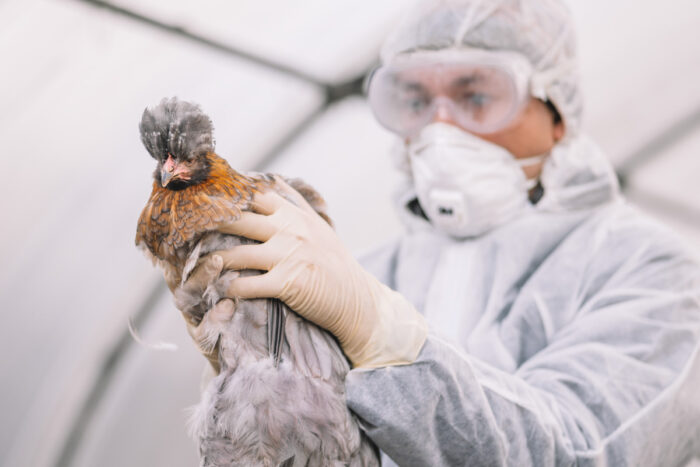
There is new breakthrough in the treatment of bird flu.

The virus continues to circulate in animal populations worldwide, raising concerns about potential human spillover events. Scientists say intranasal delivery may enhance immune protection at primary infection sites in the respiratory tract.


Clinical trials are ongoing.


Medical Research Highlights – February 2026

AI System Maps Alzheimer’s Gene Networks


Artificial Intelligence is helping medical researchers to solve Alzheimer's disease problems.

Researchers using an artificial intelligence platform known as SIGNET have created one of the most detailed gene interaction maps in Alzheimer’s disease research to date.

The findings may accelerate drug target discovery and improve understanding of disease progression.


Male Birth Control Discovery at Michigan State University

Scientists at Michigan State University identified a molecular mechanism that regulates sperm mobility, a development researchers say could lead to a non-hormonal oral contraceptive for men.

Further testing is required before clinical availability.


Spinal Cord Repair Mechanism Identified

A newly described repair pathway involving astrocytes—support cells in the spinal cord—may open new avenues for treating paralysis and multiple sclerosis.

Preclinical investigations are ongoing.


Plant-Based Diet Study Reduces Insulin Needs in Type 1 Diabetes

A recent clinical study found that participants with Type 1 diabetes following a low-fat vegan diet reduced insulin requirements by nearly 30%.

Researchers report improvements in insulin sensitivity and inflammation markers, though larger trials are needed.


Ultra-Processed Foods Linked to Higher Cardiovascular Risk


New data associate high intake of ultra-processed foods with a 47% increased risk of heart attack and stroke.

Public health experts recommend limiting processed snacks, sugary beverages, and packaged ready-to-eat meals.


Global Health Workforce Shortage Persists

The World Health Organization estimates a global shortage of approximately two million doctors, contributing to care access challenges in both high-income and developing nations.

Analysts say workforce investment will be critical to meeting rising healthcare demand.


About HEALTH VYBZ

HEALTH VYBZ provides fact-based coverage of global health policy, disease outbreaks, medical innovation, and public health research.


For continued updates on breaking global health developments, follow Healthvybz.blogspot.com.

Black History Spotlight: African & Caribbean Traditional Medicine and Its Healing Legacy


A Clinical & Cultural Guide to Bush Teas, Healing Plants & Ancestral Herbal Knowledge

By Norris R. McDonald, DIJ, Respiratory Therapist


Cultural Wisdom Through a Clinical Lens

For centuries, African and Caribbean communities have relied on plant-based medicine as part of their primary healthcare systems. Long before the rise of pharmaceutical medicine, families and traditional healers used roots, leaves, bark, and seeds to address respiratory infections, digestive disorders, inflammatory conditions, and general wellness.

As a licensed Respiratory Therapist with clinical experience in pulmonary care, and as a horticulturalist deeply rooted in Caribbean plant traditions, I approach this subject from two perspectives:

  1. Respect for ancestral knowledge
  2. Commitment to evidence-based healthcare principles

This article does not present herbal medicine as a substitute for modern medical care. Rather, it explores the historical use, emerging scientific research, pharmacological considerations, and safety implications of African and Caribbean medicinal plants.

Understanding African Traditional Medicine

African traditional medicine is one of the oldest organized systems of healthcare in human history. It integrates:

  • Botanical pharmacology
  • Community-based healing
  • Preventative wellness
  • Spiritual-cultural frameworks

The World Health Organization recognizes traditional medicine as a primary healthcare source for a large portion of the global population. However, WHO also emphasizes the importance of regulation, research validation, dosage standardization, and toxicity evaluation.

When enslaved Africans were transported to the Caribbean, they preserved their medicinal knowledge through oral transmission. Over time, this knowledge merged with Indigenous Caribbean plant traditions and European botanical influence, forming what we now call Caribbean bush medicine.


Caribbean Bush Tea: Traditional Use & Modern Interpretation


“Bush tea” refers to herbal infusions prepared from locally grown or wild medicinal plants. These teas have traditionally been used for:

  • Upper respiratory infections
  • Fever management
  • Digestive discomfort
  • “Blood cleansing”
  • Liver support
  • Urinary tract concerns
  • Skin conditions

From a modern clinical perspective, many of these traditional uses correspond to:

  • Anti-inflammatory activity
  • Diuretic properties
  • Hepatoprotective (liver-protective) effects
  • Mild antimicrobial action
  • Antioxidant support

However, while laboratory (in vitro) and animal studies provide preliminary insights, large-scale human clinical trials remain limited for many bush medicine plants.

Therefore, clinical caution and informed moderation are essential.


 Key Medicinal Plants in African & Caribbean Traditions


Jamaican Dandelion (Cassia occidentalis)

Jamaican Dandelion

Traditionally used across Jamaica, West Africa, India, and parts of South America.

Reported traditional uses include:

  • Liver tonic
  • Immune system support
  • Respiratory relief
  • Urinary support
  • Skin conditions

From a research standpoint:

  • Some studies suggest hepatoprotective compounds.
  • Certain extracts demonstrate antimicrobial properties in laboratory settings.
  • Phytochemical analysis reveals alkaloids, flavonoids, and anthraquinones.

Important Clinical Note:
Improper dosage of Cassia occidentalis has been associated with toxicity in some animal studies. This reinforces the importance of moderation, proper preparation, and medical consultation.


Cerasee (Momordica charantia)

Cerasee


Often used traditionally as a “blood cleanser.”

Modern interpretation suggests:

  • Possible glucose-lowering properties
  • Bitter compounds that stimulate digestion
  • Antioxidant activity

However, cerasee may affect blood sugar levels and should be used cautiously by individuals with diabetes or those on hypoglycemic medications.


Guinea Hen Weed (Petiveria alliacea)

Guinea Hen Weed


Traditionally valued for immune support and inflammation.

Laboratory findings suggest:

  • Antimicrobial activity
  • Anti-inflammatory potential
  • Possible immunomodulatory effects

Human data remains limited, and interactions with medications must be considered.


 Fever Grass (Lemongrass) (Cymbopogon citratus)

Fever Grass


The Fever Grass is one of the gentlest and most widely consumed bush teas.

Research supports:

  • Mild sedative effects
  • Digestive support
  • Antimicrobial properties
  • Antioxidant activity

Generally considered safer when consumed in moderate amounts.


What Modern Science Reveals

Pharmacological research into traditional medicinal plants typically investigates:

  • Phytochemical composition
  • Anti-inflammatory pathways
  • Antioxidant capacity
  • Enzyme modulation
  • Liver enzyme protection
  • Antimicrobial properties

While many African and Caribbean plants show promising biological activity in laboratory settings, clinical translation requires:

  • Standardized dosing
  • Controlled human trials
  • Toxicity profiling
  • Drug interaction analysis

Evidence-based medicine requires reproducibility and safety validation.


Liver Health in Traditional Medicine

The liver plays a central role in detoxification, immune function, and metabolic regulation. Many bush teas are traditionally labeled as “liver tonics.”

Modern hepatology recognizes:

  • The liver’s ability to regenerate
  • The importance of antioxidant protection
  • The risks of hepatotoxic compounds

Some plant compounds may support liver enzyme balance, but others may cause liver stress if improperly used. Therefore, professional medical oversight is essential for individuals with liver disease.


Immune Support & Inflammation

Chronic inflammation is associated with many modern diseases. Traditional herbal systems often focus on strengthening systemic resilience rather than targeting a single disease.

Research suggests some bush plants may:

  • Reduce inflammatory markers
  • Provide antioxidant defense
  • Support gut-immune interaction

However, immune-boosting claims must be carefully framed. The immune system is complex, and overstimulation can be harmful in autoimmune conditions.


Safety & Clinical Responsibility

Herbal medicine should always be approached with the same seriousness as pharmaceuticals.

Important considerations:

  • Herb-drug interactions
  • Blood pressure effects
  • Blood sugar effects
  • Pregnancy safety
  • Pediatric dosing
  • Liver enzyme interactions

As a healthcare professional, I strongly recommend that individuals consult their primary care physician before incorporating herbal remedies into their routine, particularly if they have chronic conditions.

Natural does not automatically mean safe.


Cultural Preservation & Ethical Responsibility

Preserving African and Caribbean herbal knowledge is both a cultural and ethical responsibility. However, commercialization must not outpace scientific validation.

Responsible herbal education requires:

  • Transparency
  • Clear disclaimers
  • Avoidance of cure claims
  • Respect for traditional communities
  • Encouragement of medical consultation

Herbal knowledge should empower — not mislead.


Integrating Tradition with Modern Healthcare

An integrative approach recognizes:

  • The value of cultural heritage
  • The strengths of evidence-based medicine
  • The need for patient safety

Herbal teas may support wellness, hydration, and relaxation. However, they should complement — not replace — prescribed medical treatment.


Conclusion: Respecting Both Ancestors & Evidence

African and Caribbean traditional medicine represents resilience, identity, and survival. Bush teas are cultural artifacts rooted in generations of observation and experience.


Modern science is gradually exploring the biochemical mechanisms behind these traditions. Until more comprehensive clinical trials are available, the most responsible approach is informed moderation, research awareness, and medical collaboration.


At Nautic Gardens, our commitment is to cultural preservation, educational transparency, and responsible wellness dialogue.


*********************************

About the Author

Norris R. McDonald, DIJ, Respiratory Therapist, is a healthcare professional with clinical experience in pulmonary care and respiratory health. In addition to his medical background, he is an Author, economic journalist, horticulturalist and cultural researcher dedicated to preserving African and Caribbean traditional medicinal knowledge.


His work through Nautic Gardens bridges ancestral herbal traditions with modern health awareness, promoting responsible education, cultural preservation, and evidence-informed dialogue.


He does not provide individual medical diagnosis or treatment through this publication. All content is intended for educational, cultural and informational purposes.

JNAF Nursing Scholarship 2026 – Up to $1,000 for U.S. & Jamaica Nursing Students

Nursing students in America and Jamaica will benefit from the Jamaica Nurses Association of Florida (JNAF) scholarship fund. HEALTH VYBZ , M...