Showing posts with label Health Awareness. Show all posts

Friday, February 20, 2026

Sickle Cell Disease Crisis in Children Shouldn't Be Ignored!

What Every Black Household Needs to Know What If Living  With Sickle Cell Disease!

By Norris R. McDonald,  DIJ, AARC, Author & Respiratory Therapist, 
Health Vybz | healthvybz.blogspot.com

 Sickle Cell education for Black families.

Sickle Cell Disease (SCD) is a lifelong inherited blood disorder that affects millions of people worldwide and disproportionately impacts people of African, Caribbean, Afro-Latino, Middle Eastern, and South Asian descent. For Black families in particular, sickle cell is not just a medical condition—it is a community health issue that requires education, early detection, and strong support systems.

At Health Vybz, we believe that knowledge saves lives. Understanding how sickle cell disease works, recognizing early warning signs, and learning practical strategies for daily living can greatly improve quality of life for those living with SCD and the families who care for them.

What Is Sickle Cell Disease?

Sickle Cell Disease is a genetic blood disorder that affects hemoglobin, the protein in red blood cells that carries oxygen throughout the body. Instead of being round and flexible, red blood cells become hard, sticky, and shaped like a crescent or “sickle.”

These sickle-shaped cells can:

  • Break down faster than normal red blood cells
  • Block blood flow in small vessels
  • Reduce oxygen delivery to tissues

This can lead to pain crises, infections, organ damage, anemia, and other serious complications.

SCD is inherited. A child must receive one sickle cell gene from each parent to have the disease. People with only one sickle cell gene have sickle cell trait, which usually causes no symptoms but can be passed on to children.

Why Sickle Cell Matters in Black Communities

Sickle cell disease is most common among people with African ancestry. Across the Caribbean and parts of Africa, prevalence is high and many families live with limited access to specialized care. Despite this burden, sickle cell disease has historically been underfunded, under-researched, and misunderstood.

Health equity requires:

  • Accurate information
  • Early screening and diagnosis
  • Specialized medical care
  • Social and emotional support

Common Signs and Symptoms

Symptoms vary, but common signs include:

  • Episodes of severe pain (pain crises)
  • Chronic anemia and fatigue
  • Swelling of hands and feet
  • Frequent infections
  • Shortness of breath
  • Vision problems

If you or a loved one has these symptoms, talk to a healthcare provider promptly.

Everyday Health Tips for Living With Sickle Cell


People with sickle cell disease can live full, meaningful lives with the right care and daily habits.

1) Stay Hydrated

Drink plenty of water throughout the day. Dehydration increases the risk of pain crises.

2) Eat a Balanced Diet

Focus on fruits, vegetables, whole grains, and lean proteins. Ask your clinician about supplements (like folate) if appropriate.

3) Get Enough Rest

Aim for 7–8 hours of sleep each night to support immune function and energy levels.

4) Stay Active (But Don’t Overexert)

Light to moderate activity can help circulation; extreme exertion may trigger symptoms for some people.

5) Prevent Infections

Wash hands often, stay current on vaccinations, and seek care quickly for fever or illness.

6) Keep Regular Medical Appointments

A hematologist and care team can help prevent complications and manage symptoms.

Medical Treatments and Management


Treatment plans vary and may include pain management, disease-modifying medication, transfusions, vaccinations/antibiotics, and other therapies. Discuss options with your clinician to find what fits your needs.

Emotional and Mental Health Matters

Living with chronic illness can be stressful. Support can include counseling, peer groups, family education, and community networks. Emotional support improves both mental and physical health.

When to Seek Emergency Care

Seek urgent medical help right away for:

  • Fever above 101°F
  • Difficulty breathing
  • Chest pain
  • Severe headache
  • Sudden weakness or numbness
  • Seizure
  • Vision problems
  • Pain that does not improve with home treatment

Having an emergency plan and access to medical records can save critical time.

Empowering Black Families Through Education

Sickle cell disease does not define a person—but informed care can shape outcomes. By learning the facts, advocating for proper treatment, and supporting one another, Black families can build healthier futures.

Health Vybz is committed to culturally relevant, evidence-based health education that uplifts our communities.


ABOUT THE AUTHOR:
Norris R McDonald, is an Author, Respiratory Therapist and Economic Journalist who writes public commentary features for the Jamaica Gleaner. He writes on critical issues regarding Political Economics, Health Care & Public Policies, Black Culture and, World Affair. He also Publishes SULFABITTAS NEWSMAGAZINE on SUBSTACK].


Tuesday, February 10, 2026

BREAKING NEWS! Kill More Americans Killed by Prescription Drugs Than Medicinal Plants!


PRESCRIPTION DRUGS KILL MORE PEOPLE THAN MEDICINAL PLANTS

Medical Errors, High Costs, and the Urgent Need for Health Awareness

By Norris R. McDonald, DIJ, CRT
Sulfabittas News Syndicate

Norris RMcDonald, Author, DIJ, CRT

Prescription medications are essential to modern healthcare, yet mounting evidence shows that medical errors related to prescription drugs cause thousands of preventable deaths every year—far exceeding fatalities linked to traditional medicinal plants. This reality highlights serious systemic failures in medication safety, healthcare delivery, and patient education.

MEDICAL ERRORS: A MAJOR CAUSE OF PREVENTABLE DEATH


Medical errors involving prescription drugs remain a significant public-health crisis. Errors can occur when the wrong drug is prescribed, the incorrect dosage is given, or when dangerous drug interactions are overlooked.

Healthcare professionals working long hours in understaffed, for-profit hospital systems are especially vulnerable to fatigue-related mistakes. Studies suggest that these systemic pressures negatively affect clinical judgment, performance, and patient safety.


Research published in leading medical journals indicates that medication-related errors may rank among the top causes of death in the United States, despite being largely preventable through improved systems, oversight, and patient engagement.

THE HIDDEN DANGER OF DRUG INTERACTIONS

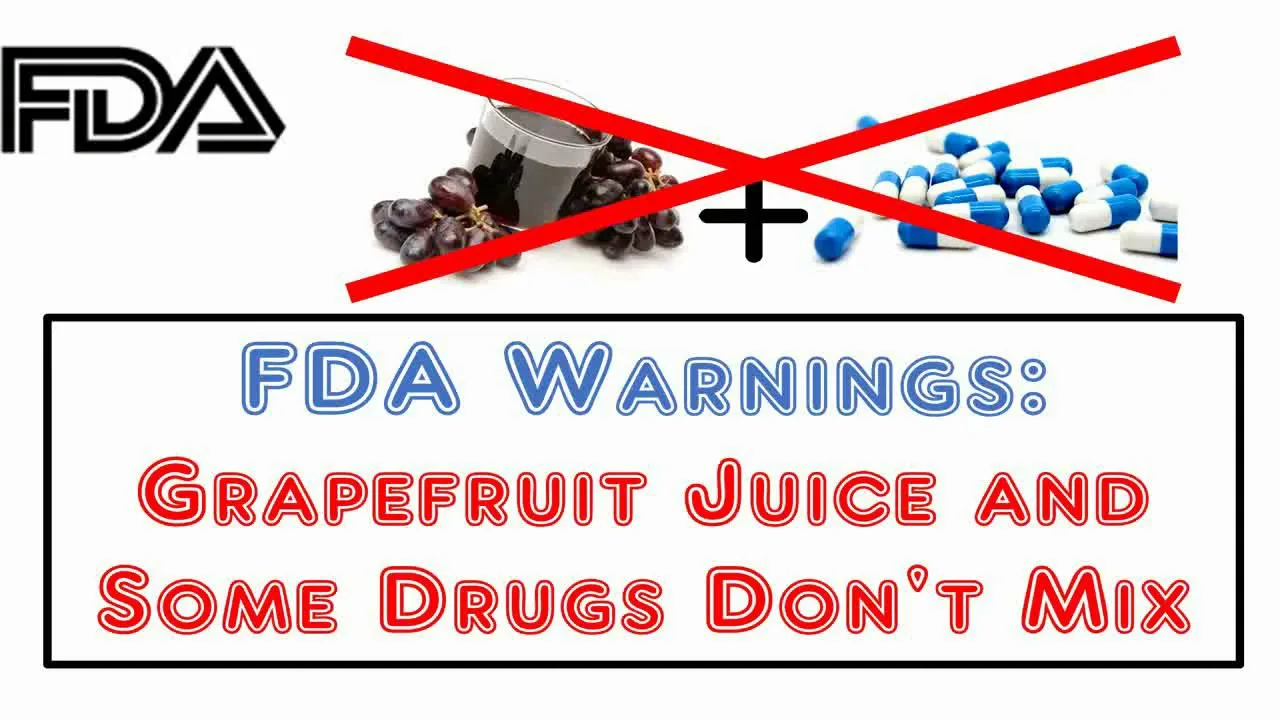
Even when medications are correctly prescribed, adverse reactions may still occur. Certain foods and beverages can dangerously interfere with prescription drugs.

For example, grapefruit juice is known to alter the metabolism of many medications, including:

  • Cholesterol-lowering statins such as Zocor and Lipitor

  • Some blood pressure medications

  • Select psychiatric and cardiac drugs

These interactions can raise drug concentrations in the bloodstream, increasing the risk of toxicity, organ damage, and death.

HIGH DRUG COSTS AND BARRIERS TO CARE

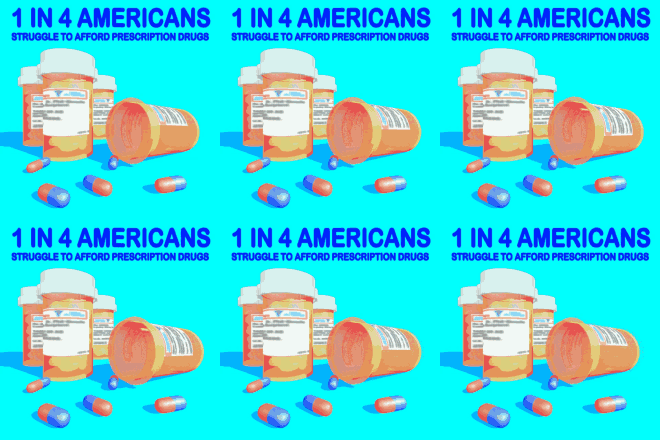
Rising prescription drug prices present another serious challenge. As medication costs increase faster than wages, many individuals are forced to delay medical care, skip doses, or abandon treatment entirely. 

Economic pressure can also push patients toward self-medication without professional guidance, increasing the risk of complications. This situation reinforces the importance of affordable healthcare access and transparent drug pricing policies.

PLANTS AS MEDICINE: SCIENCE AND RESPONSIBILITY

Medicinal plants have played a foundational role in healthcare for centuries. Modern science confirms that over 40% of today’s pharmaceutical drugs are derived from plant-based compounds.

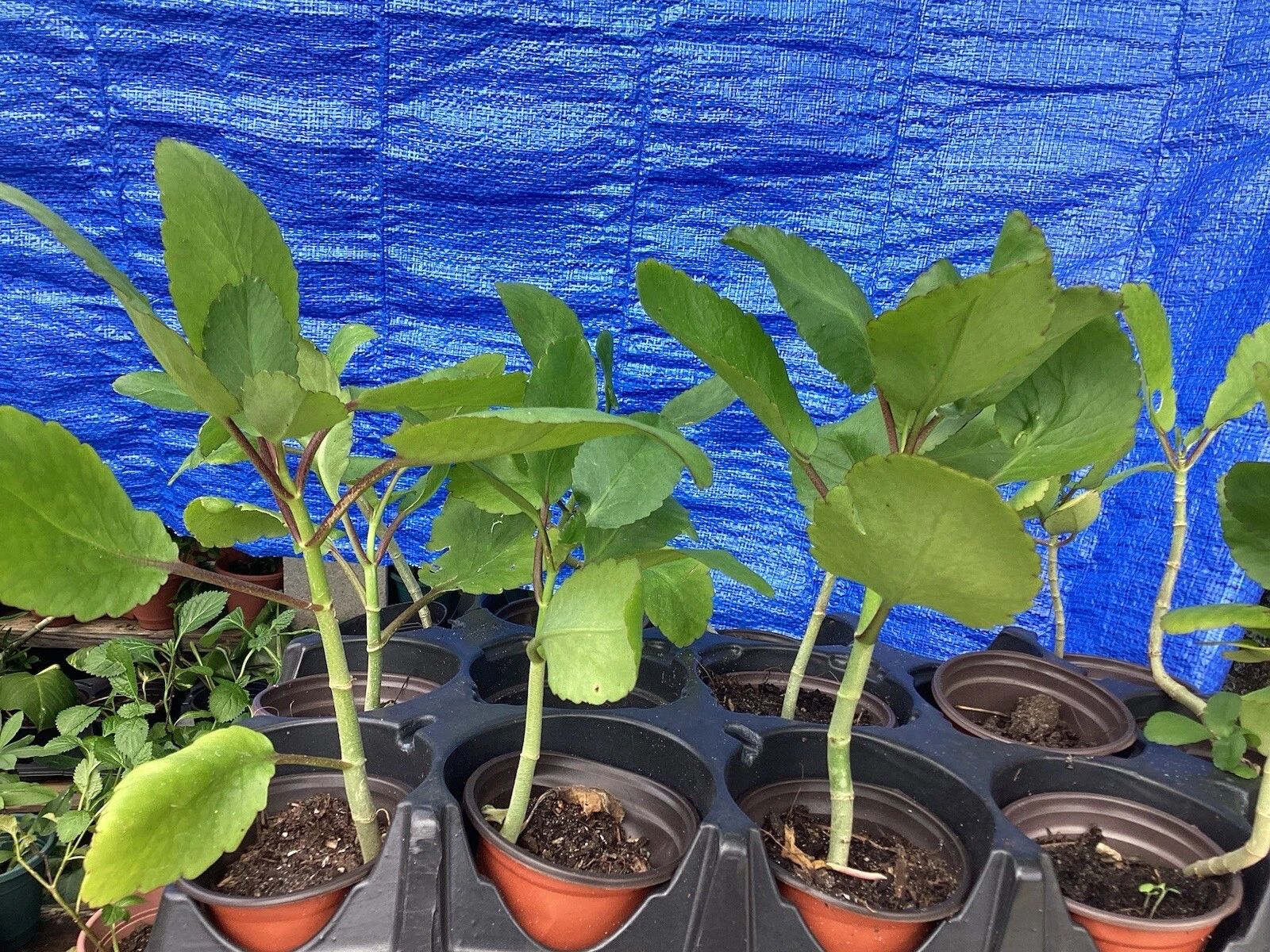
Jamaican Leaf-of-Life a traditional herbal medicine

However, natural remedies are not inherently risk-free. Just like prescription drugs, medicinal plants must be used responsibly, with proper knowledge of dosing, interactions, and contraindications.

The safest path forward is informed, evidence-based decision-making, not an “either-or” choice between pharmaceuticals and traditional medicine.

CONCLUSION

Prescription drugs save countless lives—but medical errors, unsafe systems, and affordability barriers continue to cost thousands of lives each year. At the same time, medicinal plants remain powerful therapeutic tools when used responsibly and scientifically.

The solution lies in patient education, healthcare accountability, and informed collaboration between modern medicine and traditional knowledge

ABOUT THE AUTHOR:

Norris R McDonald, is an Author, Respiratory Therapist and Economic Journalist who writes public commentary features for the Jamaica Gleaner. He writes on critical issues regarding Political Economics, Health Care & Public Policies, Black Culture and, World Affair. He also Publishes SULFABITTAS NEWSMAGAZINE on SUBSTACK].

NOTES & SCIENTIFIC SOURCES

  • U.S. Food & Drug Administration (FDA)
    https://www.fda.gov

  • Institute of Medicine (IOM) – To Err Is Human
    https://nap.nationalacademies.org/catalog/9728/to-err-is-human-building-a-safer-health-system

  • World Health Organization (WHO)
    https://www.who.int

  • Journal of Patient Safety
    https://journals.lww.com/journalpatientsafety

  • The BMJ (British Medical Journal)
    https://www.bmj.com

  • Kaiser Family Foundation
    https://www.kff.org


    "A Nursing Handbook for New Grads" by Patricia N. McKenzie, RN
     is a comprehensive handbook designed to help newly graduated nurses transition smoothly into clinical practice.
    • Essential Skills, Confidence, and Success Strategies for Nursing Practice
    • A Practical Guide to Thriving in Your First Nursing Job
    • From Classroom to Clinical: A Survival Guide for New Nurses
    This book provides essential insights into patient care, safety protocols, effective communication, emergency response, medication administration, and interdisciplinary teamwork.
    Covering topics such as patient advocacy, professional ethics, and best practices in daily nursing routines, this guide serves as a valuable tool for new nurses seeking to build confidence and expertise in their field. With practical checklists, real-world scenarios, and step-by-step guidance, it is an indispensable resource for navigating the challenges of a fast-paced healthcare environment.

    Whether preparing for the NCLEX or beginning their first job, new nurses will find this handbook to be a lifeline to professional success and patient-centered care excellence. 
  • New nurses will benefit from practical checklists, real-world scenarios, and step-by-step guidance on handling daily nursing responsibilities. The book also offers strategies to help build confidence, master core competencies, and navigate the challenges of a fast-paced healthcare environment. It includes insights into time management, stress reduction techniques, and professional development opportunities. Additionally, A Nursing Handbook for New Grads provides a foundational understanding of nursing leadership, patient advocacy, and quality improvement in healthcare. Whether preparing for the NCLEX
  • , starting a first job, or seeking to enhance clinical skills, this handbook serves as an invaluable tool. It is designed to be both an educational reference and a practical companion, offering long-term value throughout the early years of a nursing career.

JNAF Nursing Scholarship 2026 – Up to $1,000 for U.S. & Jamaica Nursing Students

Nursing students in America and Jamaica will benefit from the Jamaica Nurses Association of Florida (JNAF) scholarship fund. HEALTH VYBZ , M...