Showing posts with label Patient Safety. Show all posts

Tuesday, February 10, 2026

BREAKING NEWS! Kill More Americans Killed by Prescription Drugs Than Medicinal Plants!


PRESCRIPTION DRUGS KILL MORE PEOPLE THAN MEDICINAL PLANTS

Medical Errors, High Costs, and the Urgent Need for Health Awareness

By Norris R. McDonald, DIJ, CRT
Sulfabittas News Syndicate

Norris RMcDonald, Author, DIJ, CRT

Prescription medications are essential to modern healthcare, yet mounting evidence shows that medical errors related to prescription drugs cause thousands of preventable deaths every year—far exceeding fatalities linked to traditional medicinal plants. This reality highlights serious systemic failures in medication safety, healthcare delivery, and patient education.

MEDICAL ERRORS: A MAJOR CAUSE OF PREVENTABLE DEATH


Medical errors involving prescription drugs remain a significant public-health crisis. Errors can occur when the wrong drug is prescribed, the incorrect dosage is given, or when dangerous drug interactions are overlooked.

Healthcare professionals working long hours in understaffed, for-profit hospital systems are especially vulnerable to fatigue-related mistakes. Studies suggest that these systemic pressures negatively affect clinical judgment, performance, and patient safety.


Research published in leading medical journals indicates that medication-related errors may rank among the top causes of death in the United States, despite being largely preventable through improved systems, oversight, and patient engagement.

THE HIDDEN DANGER OF DRUG INTERACTIONS
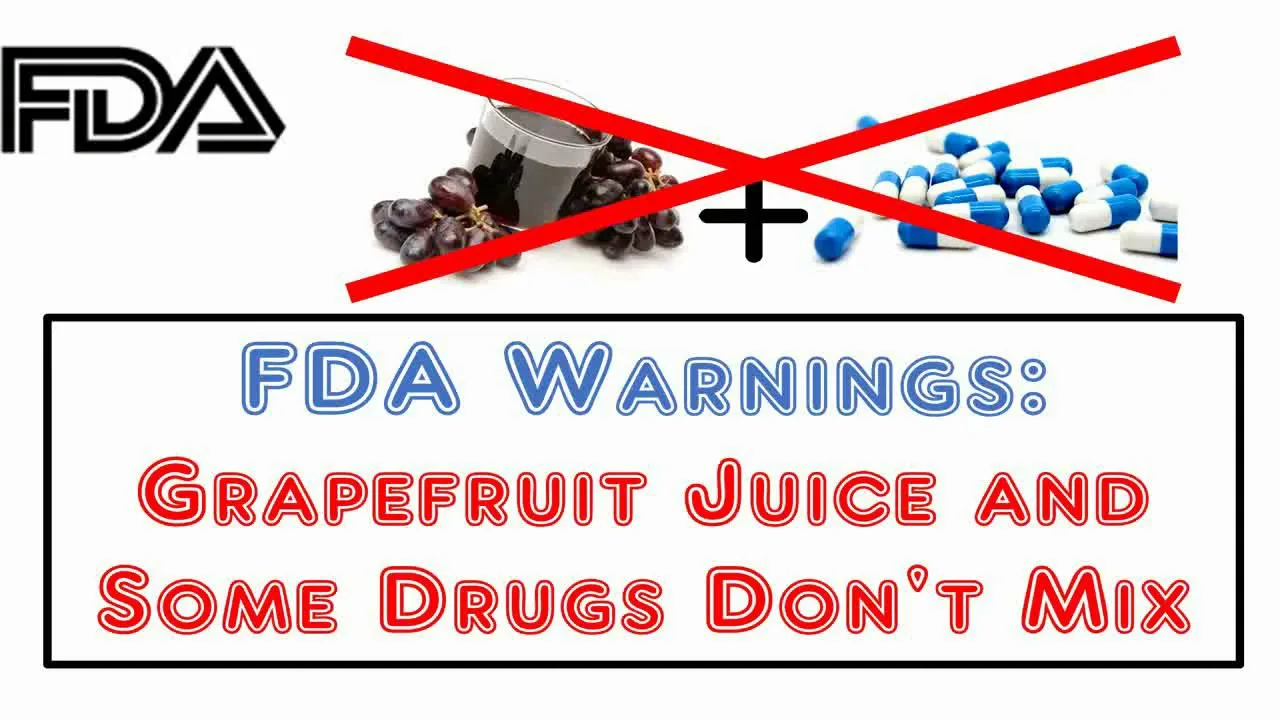
Even when medications are correctly prescribed, adverse reactions may still occur. Certain foods and beverages can dangerously interfere with prescription drugs.

For example, grapefruit juice is known to alter the metabolism of many medications, including:

  • Cholesterol-lowering statins such as Zocor and Lipitor

  • Some blood pressure medications

  • Select psychiatric and cardiac drugs

These interactions can raise drug concentrations in the bloodstream, increasing the risk of toxicity, organ damage, and death.

HIGH DRUG COSTS AND BARRIERS TO CARE
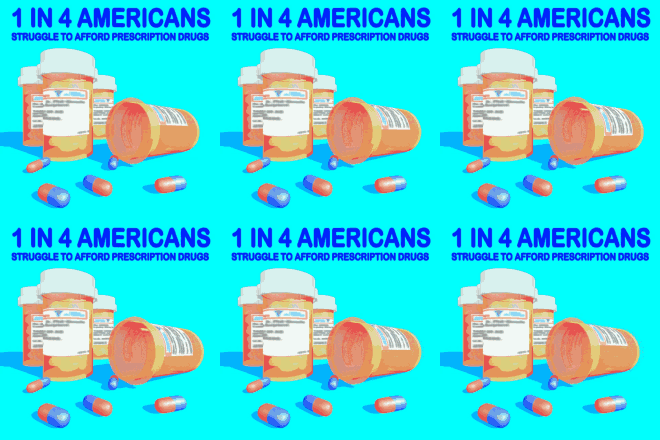
Rising prescription drug prices present another serious challenge. As medication costs increase faster than wages, many individuals are forced to delay medical care, skip doses, or abandon treatment entirely. 

Economic pressure can also push patients toward self-medication without professional guidance, increasing the risk of complications. This situation reinforces the importance of affordable healthcare access and transparent drug pricing policies.

PLANTS AS MEDICINE: SCIENCE AND RESPONSIBILITY

Medicinal plants have played a foundational role in healthcare for centuries. Modern science confirms that over 40% of today’s pharmaceutical drugs are derived from plant-based compounds.

Jamaican Leaf-of-Life a traditional herbal medicine

However, natural remedies are not inherently risk-free. Just like prescription drugs, medicinal plants must be used responsibly, with proper knowledge of dosing, interactions, and contraindications.

The safest path forward is informed, evidence-based decision-making, not an “either-or” choice between pharmaceuticals and traditional medicine.

CONCLUSION

Prescription drugs save countless lives—but medical errors, unsafe systems, and affordability barriers continue to cost thousands of lives each year. At the same time, medicinal plants remain powerful therapeutic tools when used responsibly and scientifically.

The solution lies in patient education, healthcare accountability, and informed collaboration between modern medicine and traditional knowledge

ABOUT THE AUTHOR:

Norris R McDonald, is an Author, Respiratory Therapist and Economic Journalist who writes public commentary features for the Jamaica Gleaner. He writes on critical issues regarding Political Economics, Health Care & Public Policies, Black Culture and, World Affair. He also Publishes SULFABITTAS NEWSMAGAZINE on SUBSTACK].

NOTES & SCIENTIFIC SOURCES

  • U.S. Food & Drug Administration (FDA)
    https://www.fda.gov

  • Institute of Medicine (IOM) – To Err Is Human
    https://nap.nationalacademies.org/catalog/9728/to-err-is-human-building-a-safer-health-system

  • World Health Organization (WHO)
    https://www.who.int

  • Journal of Patient Safety
    https://journals.lww.com/journalpatientsafety

  • The BMJ (British Medical Journal)
    https://www.bmj.com

  • Kaiser Family Foundation
    https://www.kff.org


    "A Nursing Handbook for New Grads" by Patricia N. McKenzie, RN
     is a comprehensive handbook designed to help newly graduated nurses transition smoothly into clinical practice.
    • Essential Skills, Confidence, and Success Strategies for Nursing Practice
    • A Practical Guide to Thriving in Your First Nursing Job
    • From Classroom to Clinical: A Survival Guide for New Nurses
    This book provides essential insights into patient care, safety protocols, effective communication, emergency response, medication administration, and interdisciplinary teamwork.
    Covering topics such as patient advocacy, professional ethics, and best practices in daily nursing routines, this guide serves as a valuable tool for new nurses seeking to build confidence and expertise in their field. With practical checklists, real-world scenarios, and step-by-step guidance, it is an indispensable resource for navigating the challenges of a fast-paced healthcare environment.

    Whether preparing for the NCLEX or beginning their first job, new nurses will find this handbook to be a lifeline to professional success and patient-centered care excellence. 
  • New nurses will benefit from practical checklists, real-world scenarios, and step-by-step guidance on handling daily nursing responsibilities. The book also offers strategies to help build confidence, master core competencies, and navigate the challenges of a fast-paced healthcare environment. It includes insights into time management, stress reduction techniques, and professional development opportunities. Additionally, A Nursing Handbook for New Grads provides a foundational understanding of nursing leadership, patient advocacy, and quality improvement in healthcare. Whether preparing for the NCLEX
  • , starting a first job, or seeking to enhance clinical skills, this handbook serves as an invaluable tool. It is designed to be both an educational reference and a practical companion, offering long-term value throughout the early years of a nursing career.

Monday, February 9, 2026

NURSING STUDENTS GET READY FOR YOUR NCLEX EXAMS!


A NURSING HANDBOOK FOR NEW GRADS: The journey to excellence continues!


GET THE BOOK HERE! [https://www.amazon.com/NURSING-HANDBOOK-NEW-GRADS-excellence-ebook/dp/B0DZ3PCVJB/


Thursday, February 5, 2026

HEALTH * WELLNESS * SOCIAL JUSTICE * HEALTH CARE REFORM VYBZ ...The U.S. Healthcare Crisis: Costs, Coverage, and Consequences


Social Security Gains Wiped Out by Medicare Costs as U.S. Healthcare Spending Soars

Profit over people ... Wall Street tax cut extended... OBAMACARE tax cuts for the poor and middle class ends!  

By Norris R. McDonald | @sulfabittasnews


For millions of Americans, annual Social Security cost-of-living adjustments (COLAs) are meant to provide financial relief amid inflation. Yet for many seniors, those increases are effectively taken back through higher Medicare premiums, prescription drug costs, and out-of-pocket healthcare expenses.

The result is a painful paradox: retirees receive a modest boost in income, only to see more than $200 or more deducted monthly for Medicare and related healthcare costs. This reality underscores a deeper and more systemic crisis in the U.S. healthcare system—one driven not by excessive use of care, but by excessive prices, inefficiency, and profit-driven structures.


Why U.S. Healthcare Costs So Much—and Delivers So Little

The United States spends more on healthcare than any other developed nation, yet consistently ranks poorly on health outcomes such as life expectancy, maternal mortality, and chronic disease management.

According to the Peterson Foundation:

  • U.S. healthcare spending reached $4.9 trillion in 2023
  • That equals $14,570 per person, nearly double the average of other wealthy countries
  • Healthcare spending now accounts for approximately 18% of U.S. GDP, up from just 5% in 1963

Despite this extraordinary spending, Americans are not healthier. Instead, high costs contribute to:

Less quality care is being delivered at higher cost!
  • Widespread medical debt
  • Patients skipping or delaying care
  • Rising insurance premiums
  • Financial strain on households and seniors

The Peterson Foundation has repeatedly warned that America’s inefficient healthcare system is not only harming public health but also accelerating the national debt and weakening the economy.


The True Drivers of High Healthcare Spending

Contrary to popular belief, Americans are not using more healthcare services than people in other countries. The real drivers include:

  • Exorbitant prices for medical services and prescription drugs
  • Administrative waste caused by complex billing and insurance rules
  • Hospital consolidation, reducing competition and raising prices
  • Profit-driven insurance and pharmaceutical companies
  • Over reliance on complex, high-cost medical technologies

Nowhere is this more evident than in Medicare Advantage.


Medicare Advantage: Profit Over Patients

Medicare Advantage plans are aggressively marketed as cost-saving alternatives to traditional Medicare. In practice, many are profit-driven products that often fail to serve patient health needs.


The cost of healthcare has bankrupted many families. Too often the healthcare system fails the society.


These plans frequently:

  • Restrict provider networks
  • Delay or deny care through prior authorizations
  • Emphasize cost containment over patient outcomes 

In America’s healthcare system, patient care is too often secondary to corporate profit, particularly when insurance companies and healthcare conglomerates are accountable to shareholders, not patients.


Consumers Pay the Price

As healthcare costs continue to rise:

  • Patients delay doctor visits due to high copays and deductibles
  • Prescription drug prices force people to ration or skip medications
  • Telemedicine is pushed as a cost-saving measure, yet patients are charged high monthly premiums and sometimes high per-visit fees 

A Longstanding Vision for Universal Healthcare

The call for healthcare reform is not new. In 1973, Senator Ted Kennedy introduced a national healthcare bill that would have established a single-payer, nonprofit insurance system covering all Americans.


Kennedy believed healthcare was a fundamental human right, not a privilege reserved for those who could afford it.


The late Senator Ted Kennedy was a strong advocate of a single-payer, Universal Healthcare Plan. It was his ideas that influenced the development of the Affordable Care Act, which was popularly called OBAMACARE.

Key Elements of Ted Kennedy’s Healthcare Vision

  • Universal Coverage for every American
  • Single-Payer, Nonprofit System eliminating private insurance dominance
  • Comprehensive Benefits, including hospital, physician, mental health, and vision care
  • Equitable Financing, funded through payroll taxes and general revenue
  • Minimal Cost Sharing, reducing financial barriers to care

While Kennedy later embraced pragmatic compromises—ultimately shaping the Affordable Care Act (ACA)—his core belief remained unchanged: healthcare should serve people, not profits.

His legacy also includes the Children’s Health Insurance Program (CHIP), which has provided coverage to millions of low-income children.


Obamacare: Imperfect but Essential

Despite its limitations, the Affordable Care Act has provided critical relief by: 


  • Expanding coverage
  • Protecting people with preexisting conditions
  • Offering premium tax credits to millions

The enhanced ACA premium tax credits however, were allowed by President Donald Trump and the American Congress to expire, potentially increasing insurance costs for 22 million Americans unless Congress acts.


Policy Choices Are Making Things Worse

Recent policy decisions have further strained households:

  • The expiration of key tax relief provisions has increased financial pressure
  • Rising Medicare costs continue to erode Social Security benefits
  • Seniors and working families are left absorbing the difference

While new investments—such as funding for opioid addiction treatment and mental health recovery—are important, they do not address the structural drivers of healthcare inflation.


The Path Forward: Healthcare Reform Now

America urgently needs comprehensive healthcare reform centered on:

  • Universal coverage
  • Needs-based access
  • Wealth-based contributions
  • Reduced influence of Big Pharma and for-profit insurers

Healthcare & prescription drugs prices are major headaches for seniors  
A system that prioritizes quality of life, preventive care, and affordability is not only possible—it is necessary.

Healthcare spending should improve lives, not enrich conglomerates. Until the United States confronts the profit-driven nature of its healthcare system, Social Security increases will continue to be swallowed by rising medical costs, and Americans will continue paying more for less.


The time to act is now!


Nearly 200 rural hospitals have either being closed since 2005 or turned into 'non-acute care' facilities.

[ABOUT THE AUTHOR:
Norris R McDonald, is an Author, Respiratory Therapist and Economic Journalist who writes public commentary features for the Jamaica Gleaner. He writes on critical issues regarding Political Economics, Health Care & Public Policies, Black Culture and, World Affair. He also Publishes SULFABITTAS NEWSMAGAZINE on SUBSTACK].

JNAF Nursing Scholarship 2026 – Up to $1,000 for U.S. & Jamaica Nursing Students

Nursing students in America and Jamaica will benefit from the Jamaica Nurses Association of Florida (JNAF) scholarship fund. HEALTH VYBZ , M...